- VEGETABLE DEHYDRATION PLANT
- RICE PAPAD PRODUCTION LINE
- INFRARED HOT AIR GENERATOR
- MATERIAL HANDLING SYSTEM
- SHORT CUT PASTA PRODUCTION LINE
- 300 Kg/Hr
- 500 Kg/Hr
- 1000 Kg/Hr
- MAKKA POHA PRODUCTION LINE
- 2D 3D PELLETS FRYUMS PRODUCTION LINE - SINGLE PROC
- 2D 3D PELLETS FRYUMS PRODUCTION LINE - DOUBLE PROC
- VEGETABLE PROCESSING MACHINE
- HEAT PUMP FOOD DEHYDRATOR

 Send Inquiry


 English
 Spanish
 French
 German
 Italian
 Chinese (Simplified)
 Japanese
 Korean
 Arabic
 Portuguese
 Send Inquiry
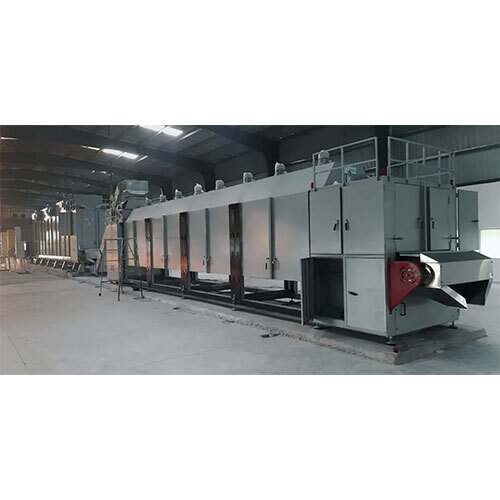
BEETROOT DEHYDRATION PLANT
BEETROOT DEHYDRATION PLANT Specification
- Power Source
- Electric
- Machine Type
- BEETROOT DEHYDRATION PLANT
- Product Type
- VEGETABLE DEHYDRATION PLANT
- General Use
- INDUSTRIAL
- Computerized
- No
- Automatic
- Yes
- Control System
- PLC Control
- Feature
- Lower Energy Consumption, Compact Structure, ECO Friendly, Low Noice, High Efficiency
- Warranty
- 1 YEAR
BEETROOT DEHYDRATION PLANT Trade Information
- Sample Available
- No
- Main Domestic Market
- All India
BEETROOT DEHYDRATION PLANT About
APPLICATION
A Vegetable Dehydration Plant is used to remove moisture from fresh vegetables to extend shelf life while retaining flavor, nutrients, and color. These plants are widely used in:
Industries We Serve:
- Food Processing Industry
- Export Units
- Ready-to-Eat Food Manufacturers
- Spice & Seasoning Manufacturers
- Military & Institutional Supply
- Pharmaceuticals
Features:
- Modular and Scalable Design
- Pre-Processing System
- Efficient Drying Mechanism
- Automation & Control
- Moisture Control & Uniformity
- Food Safety & Hygiene
- Energy efficiency
Technical Details 
Efficient Beetroot Dehydration for Industrial Applications
Engineered for robust industrial use, the Beetroot Dehydration Plant streamlines the process of turning fresh beetroots into dehydrated products suitable for various applications. Its automatic, PLC-controlled system ensures optimal drying with minimal human intervention, maintaining product quality while maximizing throughput. Designed for ease of use, it is ideal for manufacturers and exporters aiming for consistent results.
Eco-Friendly and Cost-Effective Design
This dehydration plant utilizes lower energy consumption technology, significantly reducing operational costs and carbon footprint. The compact structure enables installation in facilities with limited space, while low noise levels contribute to a better working environment. Its environmentally conscious design supports sustainable industrial practices.
FAQ's of BEETROOT DEHYDRATION PLANT:
Q: How does the Beetroot Dehydration Plant operate automatically?
A: The plant is equipped with a PLC (Programmable Logic Controller) control system, allowing for fully automatic operation. Once set, the system manages each stage of the dehydration process-controlling temperature, humidity, and drying times-ensuring consistent product quality with minimal manual input.Q: What are the main benefits of using this plant for beetroot dehydration?
A: The main benefits include high efficiency, lower energy consumption, compact design, and eco-friendly operation. Additionally, the plant produces low noise, making it suitable for indoor industrial environments, all while ensuring high-quality dehydration with minimal waste.Q: When is maintenance required, and what warranty is provided?
A: Routine maintenance is minimal due to the plant's efficient design. However, regular checks are recommended for optimal performance. The manufacturer provides a one-year warranty covering major components and system functionality for added peace of mind.Q: Where can the Beetroot Dehydration Plant be installed?
A: Owing to its compact structure, this plant can be set up in a wide variety of industrial spaces. It is particularly suitable for processing facilities, food manufacturing plants, and export units across India and similar environments requiring beetroot dehydration.Q: What is involved in the beetroot dehydration process using this plant?
A: The process typically includes cleaning, slicing, and feeding beetroots into the machine, where they undergo controlled drying in an automatically managed environment. The PLC system ensures consistent temperature and humidity, yielding evenly dehydrated beetroot slices or pieces ready for packaging.Q: How is the plant eco-friendly and energy-efficient?
A: The plant is designed to minimize energy usage through advanced heating elements and efficient airflow management. Its eco-friendly operation results from reduced energy consumption and the use of electric power, limiting emissions and supporting sustainable production practices.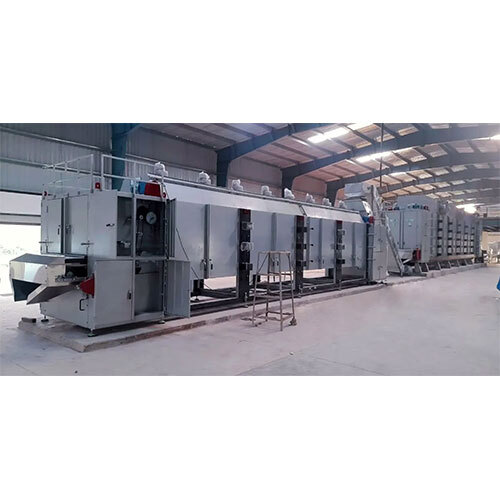
Tell us about your requirement

Price:
Quantity
Select Unit
- 50
- 100
- 200
- 250
- 500
- 1000+
Additional detail
Mobile number
Email

More Products in VEGETABLE DEHYDRATION PLANT Category
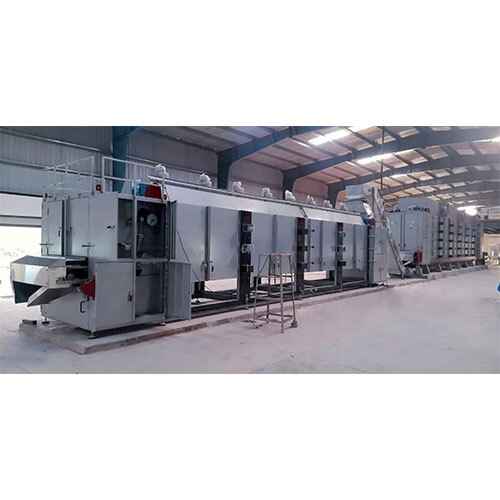
LEAFY DEHYDRATION PLANT
Minimum Order Quantity : 1 Piece
Product Type : VEGETABLE DEHYDRATION PLANT
Machine Type : LEAFY DEHYDRATION PLANT
Control System : PLC Control
Automatic : Yes
Warranty : 1 YEAR
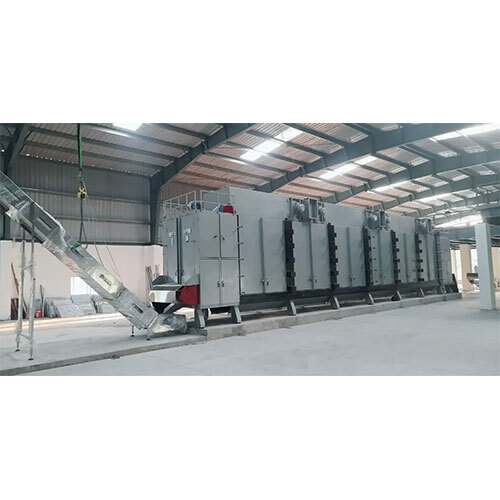
OKRA DEHYDRATION PLANT
Minimum Order Quantity : 1 Piece
Product Type : VEGETABLE DEHYDRATION PLANT
Machine Type : OKRA DEHYDRATION PLANT
Control System : PLC Control
Automatic : Yes
Warranty : 1 YEAR
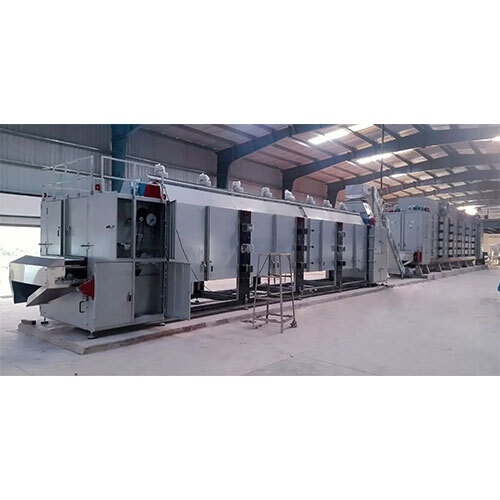
Automatic Potato Drying & Processing Plant
Minimum Order Quantity : 1 Piece
Product Type : VEGETABLE DEHYDRATION PLANT
Machine Type : POTATO DEHYDRATION PLANT
Control System : PLC Control
Automatic : Yes
Warranty : 1 YEAR
GARLIC DEHYDRATION PLANT
Minimum Order Quantity : 1 Piece
Product Type : VEGETABLE DEHYDRATION PLANT
Machine Type : GARLIC DEHYDRATION PLANT
Control System : PLC Control
Automatic : Yes
Warranty : 1 YEAR

Contact Details
OPTYTECH ENGINEERS
GST : 24AARPC8032B1Z4

- Factory: Plot no- 4356, Road - E(end), Kansumra Road, GIDC Phase - 3, Dared, Jamnagar - 361004, Gujarat, India
- Phone :08045477313
- optimy@rediffmail.com
Office: +91-7567869500
Works: +91-7567869300
 Send Inquiry
- Mr Amarish D Chhatbar (Technical CEO)
-
08045477313

- Mr Jalpan Soneji (Sales Manager)
-
08045477313
Scan this Whtsapp QR code to
directly connect with us


|


 Send Inquiry
 Send SMS
OPTYTECH ENGINEERS
All Rights Reserved.(Terms of Use)
Developed and Managed by Infocom Network Private Limited.
Developed and Managed by Infocom Network Private Limited.

